How Technology Helps to Combat The Negative Effects of Blue Light
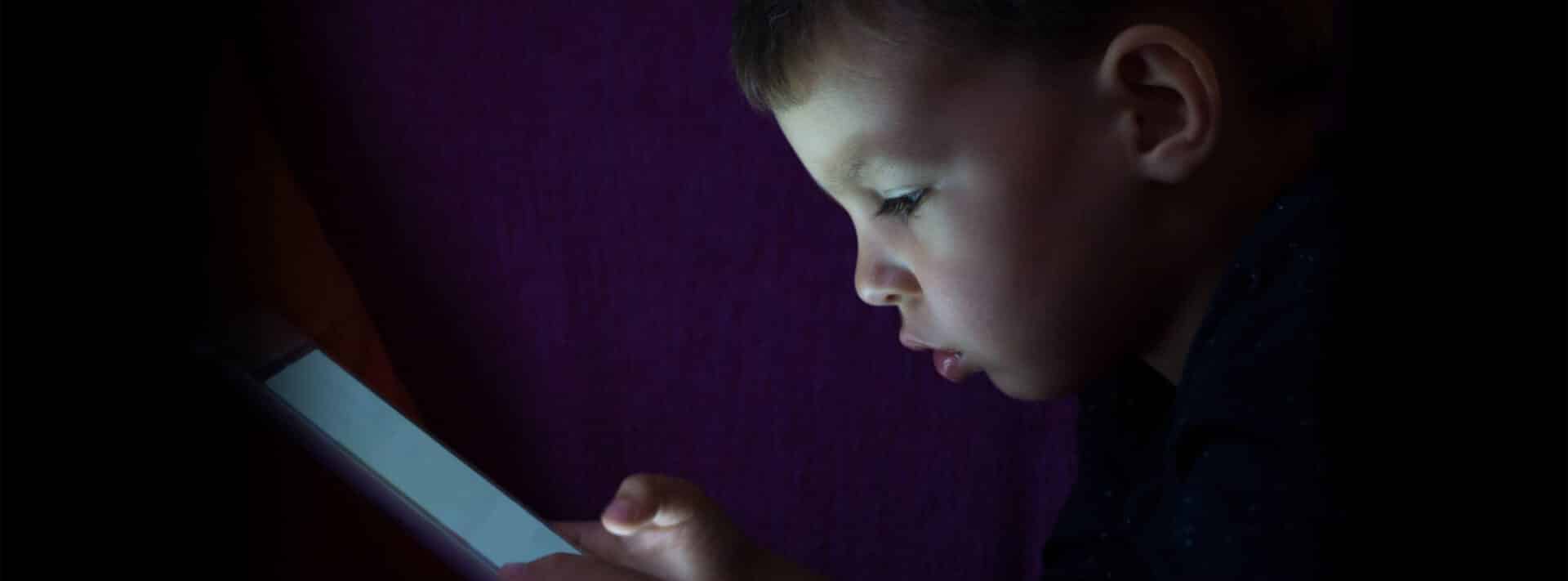
In 2016, Apple released a revolutionary new feature called Night Shift, which reduces the amount of blue light emitted by a device’s display. According to Apple, “Many studies show that exposure to bright-blue light in the evening can affect your circadian rhythms and make it harder to fall asleep.” However, until additional new display technologies […]
3 Tips for Picking the Perfect Chandelier
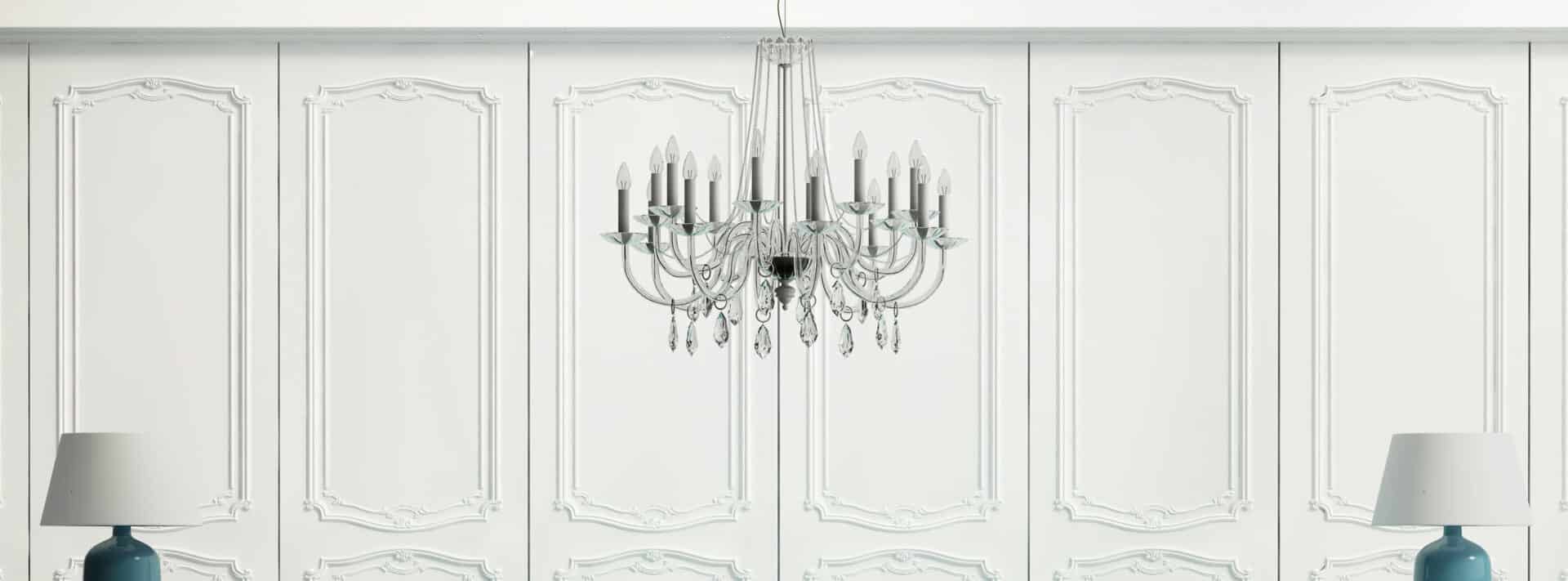
If you take the time and effort to select the perfect chandelier, it should serve as the center-of-attention in whatever space you place it in. And, you’ll have a great conversation piece because a well-placed chandelier can add amazing ambiance to almost any room when appropriately chosen. Alternatively, the wrong chandelier can end up being […]
California’s Title 24 JA8: SORAA Has Your Back
Since January of this year, there has been a certain amount of confusion (not to say consternation!) among end-users of lighting products in California, as the new JA8 lighting standards have come into effect. For the first time, the California Energy Commission has adopted a requirement that all light sources in new home construction must […]
SORAA Snap System Makes Lighting A Snap

My background is in theatrical lighting, where we have hundreds of rich colors and a good assortment of beam modifiers and diffusion filters available to change the shape, size, edge, and intensity of light. Polyester filters can’t stand up to high-heat halogen light sources over time, but it’s generally easy to replace them in a […]
TM-30 And Color Enhancing Products
After my last blog’s primer on the concept of color saturation, let’s take a look at its implementation in products. For simplicity, I’ll talk about “enhancing” colors in this post—what I really mean is “increasing the saturation” of colors, an effect which tends to be well-liked in some situations. A variety of color-enhancing LED sources […]
TM-30: Trade-Offs

In the last entry, I explained the meaning of various TM-30 metrics and how lighting users can get guidance from these. However, TM-30 is also useful for other actors in the lighting world, including manufacturers themselves. The design of a light source often comes down to trade-offs – for instance, we may decide to prioritize […]
TM-30: Color Enhancing

Having explored in my last post how we designed a source with very high fidelity, I would now like to discuss in more detail another class of so-called “color-enhancing” light sources. Today, I will make some general statements about this concept, and in a follow-up-post I will talk more specifically about how SORAA products uniquely […]
Understanding TM-30 Color Metrics

In my last blog, I sketched a simplified landscape of color rendition and related metrics. In coming weeks, I’ll be discussing one which has been making some noise lately: the recently-published TM-30-15 from the IES. Today, I will first talk about the CRI and explain what TM-30 tries to accomplish. A word of context first. […]
Eliminating Flicker Once And For All
In Aurelian’s previous blog the importance of having low flicker was made clear. But just how low is low enough? And from an engineering perspective, how much effort is required to get there? Ultimately you want the flicker to be so low that it can’t be seen, that there is no detectible biological (unseen) effect and there […]
Understanding TM-30’s Information
Two weeks back, we reviewed how color shifts could affect an object’s colors – in general, a mix of hue shift and saturation shift (more or less saturation) can occur. As we saw, the CRI is only interested in the absolute magnitude of this shift, and therefore gives no information on the type of shift […]